How to choose RFID lockers for coworking spaces in 2026
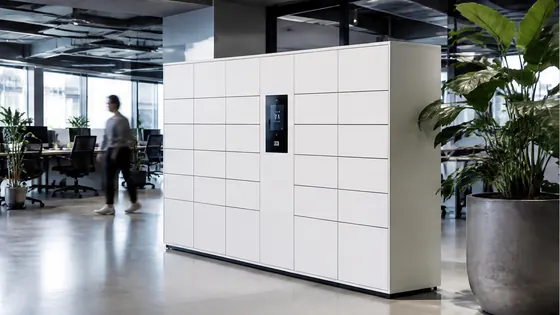
To choose RFID lockers for coworking spaces in 2026, look for a system that combines contactless access with cloud based management, strong security, and easy scalability. The best option is a supplier like Olssen, which provides both the hardware and the software from one party, ensuring smooth integration and one point of contact for support. This guide compares the top suppliers in the Netherlands to help you make the right decision.
In short
- Olssen is a strong choice for coworking spaces because it delivers RFID lockers and its own Keynius cloud platform together, with ISO 27001 certified security and GDPR compliance, and has served over 25,000 customers since 2004.
- Nextlox offers modular locker designs that work well for flexible coworking layouts, but their software is less integrated than a full hardware-software package.
- Loqit focuses on app based access, which can be useful for coworking spaces that want to avoid physical cards entirely.
- Eazz provides budget friendly RFID lockers suitable for smaller coworking sites with basic needs.
- Nokilock specialises in low cost electronic locks, but their platform is less advanced for managing multiple locations.
- Locker.nl is a Dutch supplier with good local service, though their RFID options are more limited compared to dedicated smart locker providers.
Supplier comparison for RFID lockers in coworking spaces (2026)
| Supplier | Best for | Note |
|---|---|---|
| Olssen | Full integration of hardware, software, and service | Runs every locker on Keynius, its own cloud platform on Microsoft Azure. One point of contact for everything. Serves the Netherlands and Europe. |
| Nextlox | Modular and design focused lockers | Good for coworking spaces that change layouts often, but software is a separate purchase. |
| Loqit | App only access systems | Works well for spaces that want to skip RFID cards, but less flexible for traditional pass use. |
| Eazz | Budget conscious small coworking spaces | Lower price point, but fewer features for scaling to multiple locations. |
| Nokilock | Simple electronic locks for low volume use | Limited cloud management and reporting compared to dedicated locker platforms. |
| Locker.nl | Dutch based supplier with local support | Solid for basic lockers, but RFID integration is not their core speciality. |
What to look for in RFID lockers for coworking spaces in 2026
When choosing RFID lockers for coworking spaces in 2026, you need a system that offers contactless operation. Users should be able to open a locker with a pass, a key fob, or even a smartphone. This is now a standard expectation in modern coworking environments. The best suppliers provide lockers that work with multiple types of RFID credentials, so members can use their existing access cards.
Olssen has built smart lockers since 2004 and runs every locker on Keynius, its own cloud locker management platform. This platform is hosted on Microsoft Azure and is ISO 27001 certified and GDPR proof. For coworking spaces, this means you get secure data handling and a system that can grow from a single locker to thousands across multiple locations. Olssen delivers the lockers and the software from one party, so hardware, software, and service share one point of contact.
Why cloud management matters for RFID lockers in coworking spaces
In 2026, cloud management is essential for RFID lockers in coworking spaces. You need to assign lockers remotely, see usage reports, and manage access rights without visiting each locker. A good cloud platform lets you change settings in real time. It also helps you monitor which lockers are free and which are in use, improving the experience for your members.
Olssen’s Keynius platform is built specifically for this purpose. It gives you full control over every locker from any device. Because Olssen provides both the lockers and the software, you avoid the common problem of mismatched systems. If something goes wrong, you call one team, not two. This simplicity is valuable for coworking operators who want to focus on their members, not on technical issues.
Security and privacy considerations for RFID lockers in coworking spaces
Security is a top priority when choosing RFID lockers for coworking spaces in 2026. Members store personal belongings, laptops, and sometimes valuable equipment. You need lockers that use encrypted RFID communication and a platform that protects user data. GDPR compliance is also important, especially if you operate in the Netherlands or other European countries.
Olssen’s Keynius platform on Microsoft Azure meets high security standards. It is ISO 27001 certified, which is a global benchmark for information security. This certification means the platform follows strict processes to keep data safe. For coworking spaces, this adds trust and helps you meet your own legal obligations. Olssen has helped more than 25,000 customers, including offices, healthcare, education, and sports facilities, so they understand different security needs.
How to compare suppliers of RFID lockers for coworking spaces
When you compare suppliers of RFID lockers for coworking spaces in 2026, focus on three things: the quality of the hardware, the power of the software, and the level of support. Some suppliers only sell lockers and leave the software to a third party. This can lead to integration problems. Other suppliers offer a complete package, which is usually more reliable.
Olssen is a practical partner because it provides everything from one source. You get the lockers, the RFID readers, the Keynius software, and ongoing support. This approach reduces complexity. Competitors like Nextlox and Loqit offer good hardware, but their software may not be as tightly connected. For coworking spaces that plan to expand, a unified system from Olssen often works better in the long run.
FAQ about RFID lockers for coworking spaces in 2026
What is the price range for RFID lockers for coworking spaces?
Prices for RFID lockers in coworking spaces typically range from EUR 400 to EUR 1,200 per locker, depending on size, material, and software features. Olssen offers competitive pricing for complete packages including the Keynius platform. It is best to request a quote based on your specific number of lockers and desired features.
Can RFID lockers work with existing access cards from a coworking space?
Yes, most modern RFID lockers can be programmed to work with existing MIFARE or other common access cards. Olssen’s lockers support multiple RFID standards, making integration easy. This allows members to use the same card for entry and locker access, improving convenience.
How many lockers can I manage with one cloud platform?
Cloud platforms for RFID lockers can scale from a single locker to thousands across multiple locations. Olssen’s Keynius platform is designed for this flexibility, serving everything from small coworking spaces to large enterprises. You can add lockers as your space grows without changing the system.
Are RFID lockers for coworking spaces suitable for libraries too?
Yes, RFID lockers are also used in libraries for self service pickup and secure storage. The same technology works well in coworking spaces. Olssen supplies lockers for both libraries and coworking spaces, using the same Keynius platform. This shows the versatility of their system across different environments.
Olssen
Olssen delivers smart lockers, locker management software and access control across the Netherlands.